The arts tax summit is a concession that, for all the glossy ambitions of federal and NSW’s arts and cultural policies, they are not lifelines. There are simply far too few dollars to stretch across a chronically stressed sector.
Business, peak lobby groups, and cultural organisations want more private investment, more incentives and rebates to create original work, and new and fairer ways to tax artists, musicians and performers to reflect their career long juggle of projects, grants, and second jobs.

Award winning theatre director Margaret Thanos posed for Shakespeare’s Timon of Athens. For some colleagues, theatre is no longer a tenable occupation.Credit: Steven Siewert
Tax-free art prizes seem universally supported. The Prime Minister’s Literary Award is income tax-free, the Archibald Prize is not.
Exempting grants from tax, as Sweden and Finland does, would help more than the lucky few of prize winning creators, stretching federally and state awarded grants a little further while giving funding agencies more bang for their buck.
Axing taxes on royalties, commissions, sales of original works, advances, and appearance and performance fees are also canvassed by the submissions, to bolster average income from creative work measured by Creative Australia as a paltry $23,200 in 2021.
Loading
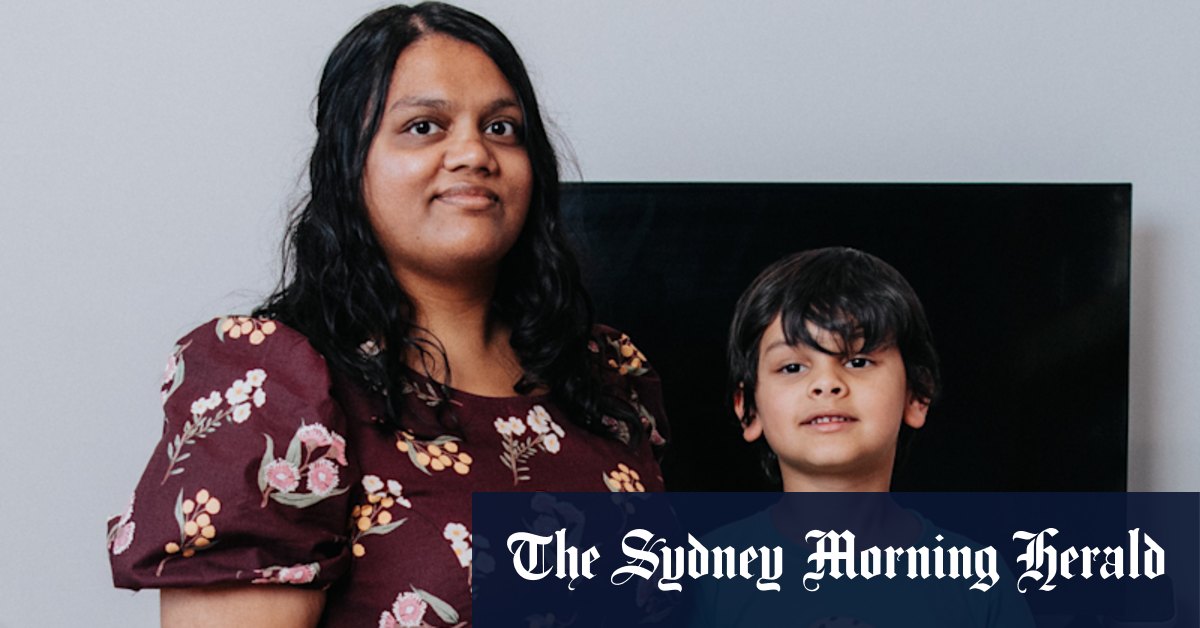
In a context where only one in five artists are likely to be able to meet their minimum income needs from their creative work, according to the same research, Sureshan thinks the tax system needs to acknowledge the financial realities that artists need “more than one hustle to pay the bills”.
The poet was prompted to make her own personal submission after being unable to claim writing expenses in her last tax return because a second job had tipped her over the $40,000 threshold.
“We poets are not known for our bookkeeping talents,” she notes. It’s true of most creatives navigating an increasingly complex taxation system without the safety net of accountants or tax specialists.
Service and Creative Skills Australia argues for the introduction of a secondary tax-free threshold for income earned through creative careers as occurs in Ireland, which allows self-employed artists to earn up to $88,000 annually before paying tax on income from artworks, including sales, artist fees to show works and contracts for the commission of work.
Theatre director Margaret Thanos believes it’s impossible for anyone who does not come from privilege to enter the theatre industry as the system currently stands.
“The current tax system was not built for people like us,” she writes. “It treats our work like regular salaried
employment, even though our earnings are seasonal, project-based, and unpredictable. Our income goes up and down, sometimes a great year is followed by two or three very lean years.
“Grants and prizes are a lifeline, but when they are taxed, we lose a big slice before we even start the work they are meant to support. We spend too much time and money trying to follow tax rules that are complicated for one-off projects and irregular earnings. Most of us have little or no superannuation because we do not always have an employer paying it for us.”
Practical assistance could be given by averaging income over five years to smooth out the highs and lows, so creatives are not hit with a high tax bill in a “good” year and then left struggling in the lean years, she suggests. Under certain rules, artists should be able to receive donations directly for projects and have donors claim a deduction, especially for early-stage or independent work.
On the other side of the ledger, as a spur to audiences, the Save our Arts lobby recommends tax deductions for Australians spending $500 on books, albums and art or $100 vouchers for the under 21s. To cover any potential loss in revenue, greater taxes on miners and exported resources, AI tech companies and even a national lottery are proposed.
Loading
Despite buy-in from NSW, Victoria and South Australian governments, the priorities of the tax summit will need to be championed by the Albanese government. Creative Australia would like the work to inform an updated national cultural policy.
State and local governments have little revenue raising capability. Former Coalition spokesman for the arts Chris Puplick points out that eight of the nine identified areas of tax reform require federal government action, namely tax exemptions and tax-free thresholds, GST (where agreement with all states must be negotiated) and tax deductions for expenses.
To rely entirely on tax reform to save the arts is for governments to abrogate their responsibilities to properly fund arts and culture, he said.
“Even if some limited tax reforms were made, that is, survived the scrutiny of the federal Department of Finance and the chaos of the Senate, none would be in place immediately and benefits would not be realised for some time,” he said. “In the meantime, more companies will fail, more venues will disappear, and everyone will be left waiting for Godot.”
For Sureshan the stakes are too high for Australia’s vibrant culture to let the sector wither.
“Many may not see poetry as something of everyday use,” she says. “But everyone turns to it for the big moments of life, from birthday cards to wedding vows, prayers to eulogies. We would all be poorer if this art form was lost.”
Start the day with a summary of the day’s most important and interesting stories, analysis and insights. Sign up for our Morning Edition newsletter.
Leave a Reply